Basement Flooring in Columbus, OH
Columbus Basement Finishing connects Columbus homeowners with local contractors who install basement flooring. A basement floor sits on concrete that can give off moisture, so the material and what goes under it both matter. Vinyl plank and tile cope best; solid hardwood does not. National figures put basement flooring at $2,000–$12,000.
- Free in-home estimate from a local contractor
- Moisture and radon dealt with before the walls go up
- Permits and inspections handled by the contractor
Basement Flooring cost in Columbus, OH
Typical basement flooring prices in Columbus: $2,000–$12,000. The main things that change the price: floor area, material, subfloor or underlay, and how level the slab is. Use the quote form for a price on your job.
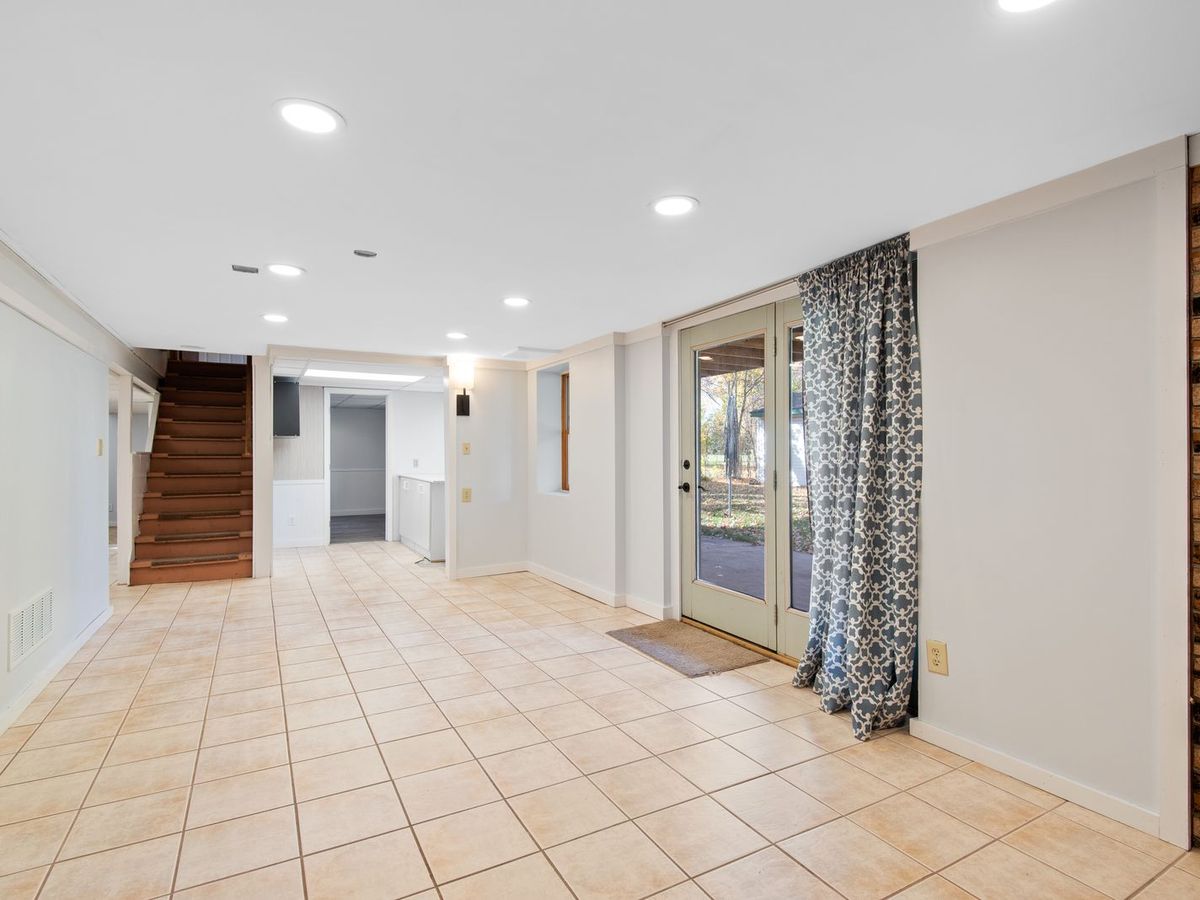
Why basement floors are their own subject
A basement floor is a concrete slab resting on the ground. It is cooler than the rooms above, it can pass moisture vapor up from the soil, and in a bad storm it may get wet. Flooring that performs well upstairs can fail quickly down here. The right choice starts with how dry the slab is.
Options, from most to least water-tolerant
- Sealed, stained or polished concrete. Nothing to damage. Hard and cold, so most people add rugs.
- Ceramic or porcelain tile. Waterproof and durable. Cold underfoot unless electric floor heat goes underneath.
- Luxury vinyl plank or tile. Waterproof, warmer and softer than tile, and convincing as wood. The most popular basement floor for good reason.
- Rubber. For gyms and playrooms.
- Engineered wood. Possible on a dry slab with the right underlay. Solid hardwood is not recommended below grade.
- Carpet. The warmest and quietest. Only for a slab that stays dry, and best as carpet tiles that can be lifted and replaced.
What goes underneath
- Moisture testing. The contractor checks how much vapor the slab gives off before choosing a system.
- Leveling. Low spots are filled so planks and tiles lie flat.
- Vapor barrier or underlay, as the flooring maker specifies.
- A raised subfloor, in some basements. Interlocking panels with a dimpled base create an air gap, add warmth and keep the finished floor off the concrete. They use up about an inch of headroom.
Planning points
- Headroom. Every layer raises the floor. Check the effect at the bottom stair and at doorways.
- Floor drains and the sump pit must stay accessible.
- Different rooms, different floors. Vinyl plank in the main room, tile in the bathroom, rubber in the gym.
If the slab shows signs of damp, deal with that first. See basement waterproofing.
How it works
Tell us about your basement
Answer five quick questions online.
Get matched
We pass your request to a local basement contractor who covers your area.
In-home estimate
They inspect the space, talk through your plans and give you a written price.
Decide
There is no obligation. Go ahead only if the plan and the price suit you.
Basement Flooring FAQs
What is the best flooring for a basement?
Luxury vinyl plank is the most common choice because it is waterproof, comfortable and looks like wood. Tile and sealed or stained concrete are also safe. Carpet is warmer underfoot but should only go over a slab known to stay dry.
Do I need a subfloor?
Not always. A raised subfloor panel adds warmth and a gap for moisture to escape, at the cost of an inch or so of headroom. The contractor will test the slab for moisture and advise.
Other services
Basement Remodeling
Updating a basement that is already finished, from new flooring to a full redesign.
Learn moreBasement Bathroom Addition
A half or full bathroom below grade, including the drain work that makes it possible.
Learn moreBasement Bedroom
A legal bedroom downstairs, with the escape window and ceiling height the code asks for.
Learn moreEgress Window Installation
Cutting in an escape window and well so a basement room is safe and can be a bedroom.
Learn moreBasement Bars & Wet Bars
A dry bar or a wet bar with sink and fridge, built into a finished basement.
Learn moreBasement Home Theater
A media room planned around sight lines, sound control and wiring before the drywall goes on.
Learn moreBasement Home Gym
A workout room with the right floor, ventilation and enough headroom for the equipment.
Learn moreBasement Home Office
A quiet, well-lit workspace away from the rest of the house.
Learn moreBasement Kitchenette
A compact kitchen for entertaining or for a relative living downstairs.
Learn moreBasement In-Law Suite
A self-contained space with bedroom, bathroom and kitchenette for family or guests.
Learn moreBasement Ceilings
Drywall, drop or painted open ceilings, chosen around headroom and access to pipes.
Learn moreBasement Waterproofing
Stopping water and damp before a basement is finished, so the new work stays dry.
Learn moreBasement Framing & Insulation
The walls behind the walls, built to stay dry and keep the room warm.
Learn moreBasement Playroom
A safe, hard-wearing space for kids that can become a teen room or den later.
Learn moreAreas we serve near Columbus, OH
Columbus Basement Finishing serves Columbus, OH and surrounding communities, including Grandview Heights, Upper Arlington, Bexley, Grove City, Gahanna, Hilliard, Worthington, Reynoldsburg, Westerville, Dublin, New Albany, Canal Winchester, Pickerington, Powell and Delaware.